Postgraduate life in Cambridge: colleges, MCRs and support
Starting an MPhil or a PhD in Cambridge means joining a department for your course and a college for everything else. Here is how the two fit together, what your MCR and Tutor do, and where to get support.
Facts checked 8 Nov 2026 · every fact links its source
Department and college
Cambridge is a collegiate university: faculties and departments provide teaching, supervision and research opportunities, while the 31 Colleges offer community, support and a place to live and study. As a postgraduate you belong to a faculty, department or affiliated institution, which provides all your teaching and supervision, specialist facilities and study space. Every postgraduate is also a member of a College, which provides a place to live and study, dining and social events, and pastoral and welfare support. [University of Cambridge (opens in a new tab)] [University of Cambridge (opens in a new tab)]
Your College is separate from your academic department. You do not need to be at the same College as your supervisor, because University teaching and supervision are organised by departments and faculties and are open to students from all Colleges. Whichever College you join, you have access to the same University resources and study alongside students from other Colleges on your course. [University of Cambridge (opens in a new tab)]
When you apply you can name up to two College preferences or be allocated a College. Your department decides whether to recommend you for a place, and your College preferences do not affect that decision. Once you have been offered membership you cannot transfer to another College, except to take up a major funding offer from a different College. [University of Cambridge (opens in a new tab)]
Colleges offer facilities such as a library, dining hall and sports spaces, social and cultural activities, College accommodation (availability and location vary), a Tutor for pastoral matters, welfare support, help in cases of unforeseen financial difficulty and, where applicable, chances to teach undergraduates. All Colleges are within three miles of the city centre. [University of Cambridge (opens in a new tab)]
Most Colleges admit both undergraduates and postgraduates. On the University's postgraduate College listing, Clare Hall and Darwin College are marked as taking postgraduate students only. Hughes Hall, St Edmund's and Wolfson are marked as mature Colleges: at undergraduate level they take only students aged 21 or over, and they also have large postgraduate communities. Lucy Cavendish College has no restriction listed and admits both undergraduates and postgraduates. [University of Cambridge (opens in a new tab)] [University of Cambridge (opens in a new tab)] [University of Cambridge (opens in a new tab)]
Your MCR and your Tutor
The MCR (Middle Combination Room) is the postgraduate community and common room within your College. Every College provides a student association or postgraduate society, typically the MCR, run by students with support from the College. The name varies: on Cambridge SU's list of College reps, for example, the graduate bodies include the Clare Hall GSB, the Darwin College SA and the Wolfson College SA. [University of Cambridge (opens in a new tab)] [University of Cambridge (opens in a new tab)] [Cambridge SU (opens in a new tab)]
Many College social, cultural and sporting activities are student-run, with the College providing common rooms, bars, gyms, boathouses and sports fields. Colleges also offer chances to stand for election to representative bodies and committees, and every College has its own students' union in which postgraduates are elected to represent students at College level. Colleges consult their postgraduate community, through the MCR or equivalent, on how they allocate accommodation and on the contracts they offer. [University of Cambridge (opens in a new tab)] [University of Cambridge (opens in a new tab)]
Your College assigns you a personal Tutor, known as a Postgraduate Tutor or College Tutor; you can find their name on the Academic Tile in CamSIS. Your Tutor gives general pastoral and academic advice, can read the termly reports on your progress, liaises with your supervisor or department if you are having difficulties, and helps with applications if you are ill or need time out or extra time. They may not be an expert in your subject. The Senior Tutor has overall responsibility for students and is a source of advice if your own Tutor is unavailable. [University of Cambridge (opens in a new tab)] [University of Cambridge (opens in a new tab)]
Colleges also provide a wider welfare team, which may include a nurse, counsellor or wellbeing adviser, a disability liaison officer and a chaplain. They induct you shortly after you arrive, write official letters such as those needed to open a bank account, and give advice on childcare. [University of Cambridge (opens in a new tab)]
Full-time students who are new to Cambridge are normally offered College-owned or College-managed accommodation for at least one year, if their admission is confirmed and they apply for single accommodation by 31 July or another deadline the College sets. Practice beyond the first year differs between Colleges, so check your own College's details. [University of Cambridge (opens in a new tab)] [University of Cambridge (opens in a new tab)]
Representation and advice
Cambridge SU is the students' union for all students at the University and its Colleges, and every student is a member automatically. It was set up in 2020, combining the two previous central unions, Cambridge University Students' Union (CUSU) and the University of Cambridge Graduate Union (GU), after an all-student referendum in Michaelmas term 2019. The SU says the change came as undergraduate and postgraduate numbers in the University became equal. [Cambridge SU (opens in a new tab)]
The SU is led by five elected sabbatical officers, one of whom is the President (PG), the postgraduate president. The role sits on University committees including the University Council, the General Board, the Postgraduate Committee and the Postgraduate Admissions Committee. The SU also runs a termly College Forum, co-chaired by its two Presidents, where JCR and MCR representatives (usually presidents) share issues and ideas. [Cambridge SU (opens in a new tab)] [Cambridge SU (opens in a new tab)] [Cambridge SU (opens in a new tab)]
The SU's Student Advice Service gives free, confidential and impartial advice to all students, undergraduate and postgraduate, from any College or course. It covers anything from exams and intermission to welfare and money, and can explain University and College procedures, help you explore options, and offer representation. It is independent of the Colleges and the University and offers support in person, by email, by phone and by video call. [Cambridge SU (opens in a new tab)]
The Advice Service also publishes online guides on academic matters (including intermission, changing College and complaints), accommodation, exams, finance for both postgraduates and undergraduates, and equality and diversity. [Cambridge SU (opens in a new tab)]
MPhils, PhDs, terms and supervision
Cambridge's academic year runs from 1 October to 30 September and has three terms: Michaelmas, Lent and Easter. 'Full Term' is the eight-week period in each term when undergraduate teaching takes place; postgraduate academic activity carries on throughout the year. In 2026-27, Michaelmas runs from 1 October to 19 December 2026 (Full Term 6 October to 4 December), Lent from 5 January to 25 March 2027 (Full Term 19 January to 19 March), and Easter from 17 April to 25 June 2027 (Full Term 27 April to 18 June). [University of Cambridge (opens in a new tab)]
Most courses start in October. Officially, Michaelmas Term starts on 1 October, the date shown on your offer letter, and induction begins around then for most students. When you arrive, go to your College first. Your College and department will tell you when to arrive and will run induction events. [University of Cambridge (opens in a new tab)]
On a Master's course with a taught element, your faculty or department arranges lectures and supervises your project or dissertation, and a Course Director is your first contact for problems with the course. Full-time students must keep at least three terms of residence to be eligible for their degree, and full-time taught Master's students should stay in Cambridge for the whole course, including the final piece of assessment. Your Degree Committee sets your submission date. [University of Cambridge (opens in a new tab)] [University of Cambridge (opens in a new tab)]
Full-time research students are expected to live in Cambridge and work on their research throughout the year, including the summer months when undergraduates are away, with short breaks for holidays. The Code of Practice for research degrees sets out how your progress is monitored, including the first-year progress examination and the final examination of your thesis. If you run into problems, talk to your Principal Supervisor, Academic Adviser or your department's Director of Postgraduate Education promptly, and you can also ask your College for support. [University of Cambridge (opens in a new tab)]
Supervisors of postgraduate students report each term on their progress through the Postgraduate Feedback and Reporting System (PFRS) in CamSIS, and you can read the reports. Your Course Director, Degree Committee, College and the Student Registry also see them. On most postgraduate programmes, including MPhils and doctorates, you are also asked to submit a self-evaluation report each Michaelmas term. [University of Cambridge (opens in a new tab)]
As a matriculated student you may attend lectures on any degree course, though not classes or practicals, if there is room; check the faculty's own rules first, as you may need to sign up in advance. Lecture timetables are published at timetable.cam.ac.uk. Your CRSid gives you access to Moodle, the University's virtual learning environment, and to reading lists. [University of Cambridge (opens in a new tab)] [University of Cambridge (opens in a new tab)] [University of Cambridge (opens in a new tab)]
On CAMsocs: Graduate Orchestra, Black Postgraduate Society, Christian Graduate Society, Graduate Law Society
Welfare and money
The University's Student Support Services offer free, confidential help. The Student Wellbeing Service is for postgraduate taught and research students who are dealing with things like low mood, stress, anxiety, procrastination or perfectionism. The University Counselling Service offers individual counselling. You book both through one student support request form, which you complete once per academic year; the aim is to offer an appointment within 10 working days. Neither service is a crisis service. [University of Cambridge (opens in a new tab)] [University of Cambridge (opens in a new tab)] [University of Cambridge (opens in a new tab)]
Counselling is open to students in the UK on a course that requires College membership. The Student Wellbeing Service is open to postgraduates in the UK or abroad on such a course. Both services are closed for short breaks over Christmas and Easter and on bank holidays. [University of Cambridge (opens in a new tab)] [University of Cambridge (opens in a new tab)]
If you run into unexpected money problems, speak to your College Tutor first. Colleges give advice and support in cases of unforeseen financial difficulty, and the University expects you to try your funder and College before applying to its own funds. The Crane Medical Fund helps any student facing exceptional and unexpected medical costs. [University of Cambridge (opens in a new tab)] [University of Cambridge (opens in a new tab)]
The University's Postgraduate Financial Assistance Fund can award up to £3,000 a year to full-time postgraduates, or £1,500 to part-time postgraduates (2026-27 rates), who face unforeseen financial difficulties. It is open from 1 October to 31 August and closed in September. You must apply more than six weeks before the end of your course, and applications need supporting statements from your College Tutor and your supervisor. Students in their first term are not eligible, and students on one-year courses usually are not either. [University of Cambridge (opens in a new tab)]
Practical things
Your University IT account (formerly called Raven) has a username, your CRSid, and a single password. It logs you in to CamSIS, your @cam email, Microsoft 365 and Moodle. New students usually collect it at the end of the online Student Registration Exercise. As a postgraduate, your department will tell you how to collect your IT accounts before you start. A CRSid cannot be changed. [University of Cambridge (opens in a new tab)] [University of Cambridge (opens in a new tab)] [University of Cambridge (opens in a new tab)]
Your University Card (UCAM card) is issued when you arrive, usually by your College's card representative. It gives you access to buildings, proves your identity (you need it to get into exams) and works as your library card, and it also brings a discount on the Universal bus. If your card is not waiting for you, contact your College's card representative. [University of Cambridge (opens in a new tab)] [University of Cambridge (opens in a new tab)]
There are more than a hundred libraries across the University. The largest is the University Library (UL), with over eight million books and journals, and Colleges, faculties and departments have their own. New students are registered at the UL automatically, so you can use your University Card to enter and borrow. A UL card does not give access to College libraries. [University of Cambridge (opens in a new tab)] [Cambridge University Library (opens in a new tab)]
Postgraduate degrees can be conferred at any ordinary congregation, the degree ceremonies held through the year. Postgraduates cannot attend the General Admission ceremonies at the end of June, which are for undergraduates. Not every College presents students at every ceremony, so check with your College before applying to graduate. Your degree must be approved before it can be conferred, and the Student Registry approves postgraduate qualifications. [University of Cambridge (opens in a new tab)] [University of Cambridge (opens in a new tab)]
Colleges for postgraduates
Most colleges take both undergraduates and postgraduates. These take only postgraduates or, for undergraduates, only mature students (21 or over).
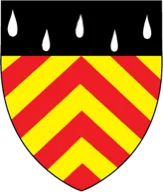 Clare Hall: postgraduates only. 271 postgraduates and no undergraduates in 2025–26. [University of Cambridge (opens in a new tab)]
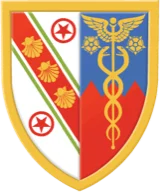 Darwin College: postgraduates only. 724 postgraduates and no undergraduates in 2025–26. [University of Cambridge (opens in a new tab)]
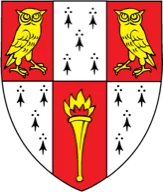 Hughes Hall: mature undergraduates (aged 21+) and postgraduates. 814 postgraduates and 168 undergraduates in 2025–26. [University of Cambridge (opens in a new tab)]
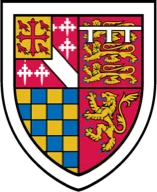 St Edmund's College: mature undergraduates (aged 21+) and postgraduates. 630 postgraduates and 205 undergraduates in 2025–26. [University of Cambridge (opens in a new tab)]
 Wolfson College: mature undergraduates (aged 21+) and postgraduates. 963 postgraduates and 157 undergraduates in 2025–26. [University of Cambridge (opens in a new tab)]
Sources
Each fact above links the page it comes from. These are the pages, and when they were read. Their publishers are the authority: check them for anything that matters, as dates and rules change from year to year.
- University of Cambridge, postgraduate.study.cam.ac.uk/why-cambridge/cambridge-explained (opens in a new tab). Read 8 Nov 2026.
- University of Cambridge, cam.ac.uk/about-the-university/how-the-university-and-colleges-work (opens in a new tab). Read 8 Nov 2026.
- University of Cambridge, postgraduate.study.cam.ac.uk/colleges (opens in a new tab). Read 8 Nov 2026.
- University of Cambridge, postgraduate.study.cam.ac.uk/colleges/college-listing (opens in a new tab). Read 8 Nov 2026.
- University of Cambridge, undergraduate.study.cam.ac.uk/apply/before/mature-student-applications (opens in a new tab). Read 8 Nov 2026.
- University of Cambridge, cambridgestudents.cam.ac.uk/files/pg_coll_guide.pdf (opens in a new tab). Read 8 Nov 2026.
- Cambridge SU, cambridgesu.co.uk/makeachange/colleges (opens in a new tab). Read 8 Nov 2026.
- University of Cambridge, postgraduate.study.cam.ac.uk/why-cambridge/student-life/student-union (opens in a new tab). Read 8 Nov 2026.
- Cambridge SU, cambridgesu.co.uk/aboutus/whatwedo (opens in a new tab). Read 8 Nov 2026.
- Cambridge SU, cambridgesu.co.uk/aboutus/team (opens in a new tab). Read 8 Nov 2026.
- Cambridge SU, cambridgesu.co.uk/aboutus/team/presidentpg (opens in a new tab). Read 8 Nov 2026.
- Cambridge SU, cambridgesu.co.uk/makeachange/forums (opens in a new tab). Read 8 Nov 2026.
- Cambridge SU, cambridgesu.co.uk/advice/student-advice-service (opens in a new tab). Read 8 Nov 2026.
- Cambridge SU, cambridgesu.co.uk/advice/information (opens in a new tab). Read 8 Nov 2026.
- University of Cambridge, cam.ac.uk/about-the-university/term-dates-and-calendars (opens in a new tab). Read 8 Nov 2026.
- University of Cambridge, cambridgestudents.cam.ac.uk/getting-around-cambridge/your-first-few-weeks (opens in a new tab). Read 8 Nov 2026.
- University of Cambridge, cambridgestudents.cam.ac.uk/your-course/postgraduate-taught-students (opens in a new tab). Read 8 Nov 2026.
- University of Cambridge, cambridgestudents.cam.ac.uk/your-course/postgraduate-research-students/terms-study (opens in a new tab). Read 8 Nov 2026.
- University of Cambridge, cambridgestudents.cam.ac.uk/your-course/postgraduate-research-students (opens in a new tab). Read 8 Nov 2026.
- University of Cambridge, cambridgestudents.cam.ac.uk/process/manage-your-student-information/supervision-reporting-camcors-and-pfrs (opens in a new tab). Read 8 Nov 2026.
- University of Cambridge, cambridgestudents.cam.ac.uk/process/term-dates-and-calendars (opens in a new tab). Read 8 Nov 2026.
- University of Cambridge, help.uis.cam.ac.uk/service/accounts-passwords/your-crsid (opens in a new tab). Read 8 Nov 2026.
- Clare College, mcr.clare.cam.ac.uk/social/college-swaps (opens in a new tab). Read 8 Nov 2026.
- University of Cambridge, postgraduate.study.cam.ac.uk/why-cambridge/student-life/leisure-activities (opens in a new tab). Read 8 Nov 2026.
- Cambridge SU, cambridgesu.co.uk/whatson (opens in a new tab). Read 8 Nov 2026.
- University Sport, sport.cam.ac.uk/college-sport (opens in a new tab). Read 8 Nov 2026.
- University of Cambridge, cmp.cam.ac.uk/opportunities/entry/cambridge-graduate-orchestra (opens in a new tab). Read 8 Nov 2026.
- University of Cambridge, studentsupport.cam.ac.uk/student-wellbeing-service (opens in a new tab). Read 8 Nov 2026.
- University of Cambridge, studentsupport.cam.ac.uk/individual-counselling (opens in a new tab). Read 8 Nov 2026.
- University of Cambridge, postgraduate.study.cam.ac.uk/why-cambridge/student-support/mental-health-and-wellbeing (opens in a new tab). Read 8 Nov 2026.
- University of Cambridge, cambridgestudents.cam.ac.uk/fees-and-funding/financial-assistance (opens in a new tab). Read 8 Nov 2026.
- University of Cambridge, cambridgestudents.cam.ac.uk/fees-and-funding/financial-assistance/postgraduate-financial-assistance-fund (opens in a new tab). Read 8 Nov 2026.
- University of Cambridge, cambridgestudents.cam.ac.uk/process/student-registration/registration-new-students (opens in a new tab). Read 8 Nov 2026.
- University of Cambridge, help.uis.cam.ac.uk/service/accounts-passwords/your-university-account-formerly-called-raven (opens in a new tab). Read 8 Nov 2026.
- University of Cambridge, help.uis.cam.ac.uk/service/accounts-passwords/university-cards (opens in a new tab). Read 8 Nov 2026.
- University of Cambridge, cambridgestudents.cam.ac.uk/getting-around-cambridge/libraries-and-museums (opens in a new tab). Read 8 Nov 2026.
- Cambridge University Library, lib.cam.ac.uk/register (opens in a new tab). Read 8 Nov 2026.
- University of Cambridge, cambridgestudents.cam.ac.uk/graduation/degree-ceremonies (opens in a new tab). Read 8 Nov 2026.
- University of Cambridge, cambridgestudents.cam.ac.uk/graduation/eligibility (opens in a new tab). Read 8 Nov 2026.
CAMsocs is an independent, unofficial project. It is not affiliated with, endorsed by or run by the University of Cambridge, any of its colleges or Cambridge SU. This guide sums up what those bodies publish; it is not their advice. Spotted something wrong or out of date? Use the request form or the address in the footer.
Social life, sport and music
Many MCRs organise formal hall 'swaps' with other Colleges, so you can dine at another College's formal and host its graduates in return. Clare College MCR, for example, describes visiting other Colleges for formal hall during the year, with swaps announced by its exchanges officer and booked through the MCR. Colleges also hold occasional formal dining events of their own, some of which let you invite a guest. [Clare College (opens in a new tab)] [University of Cambridge (opens in a new tab)]
Cambridge has hundreds of clubs and societies, listed in the Societies Directory on the Cambridge SU website, and Colleges have their own clubs too. Cambridge SU's What's On page lists events by societies, Colleges and the SU's own officers. [University of Cambridge (opens in a new tab)] [Cambridge SU (opens in a new tab)]
Most sports teams include both undergraduates and postgraduates. There are more than 75 University sports clubs as well as College teams for beginners and experienced players. College leagues are open to all students and run all year, usually with fixtures at weekends. Cuppers is the yearly knockout competition between Colleges, usually towards the end of the academic year. For College sport, contact your College captain or your JCR/MCR sports officer. [University of Cambridge (opens in a new tab)] [University Sport (opens in a new tab)]
For musicians, the Cambridge Graduate Orchestra was founded in 2004 to bring together graduate musicians across the University and the town. It welcomes graduates, postgraduates, Fellows, mature students and other interested players, and rehearses throughout the calendar year. You do not need to study Music to join University or College music groups. [University of Cambridge (opens in a new tab)] [University of Cambridge (opens in a new tab)]